Cleveland Indians Make Major Trade Ahead of 2024 Season
- Cleveland Indians
- 05/28/2026 11:05:37 PM
The Cleveland Indians have made a blockbuster trade ahead of the 2024 season, acquiring star pitcher
The Cleveland Indians have made a blockbuster trade ahead of the 2024 season, acquiring star pitcher Luis Severino from the New York Yankees in exchange for three young prospects. This move signals a strategic shift for the franchise as it aims to rebuild its competitive edge in the American League Central. Severino, known for his dominant fastball and sharp curveball, is expected to bolster the Indians' pitching rotation, which has struggled with consistency in recent years. The trade reflects the team’s commitment to investing in high-impact talent, a decision that has drawn mixed reactions from fans and analysts alike. While some praise the move as a bold step toward contention, others argue that the Indians may be overpaying for a player with injury concerns. This development marks a pivotal moment for the franchise as it seeks to balance short-term gains with long-term sustainability.
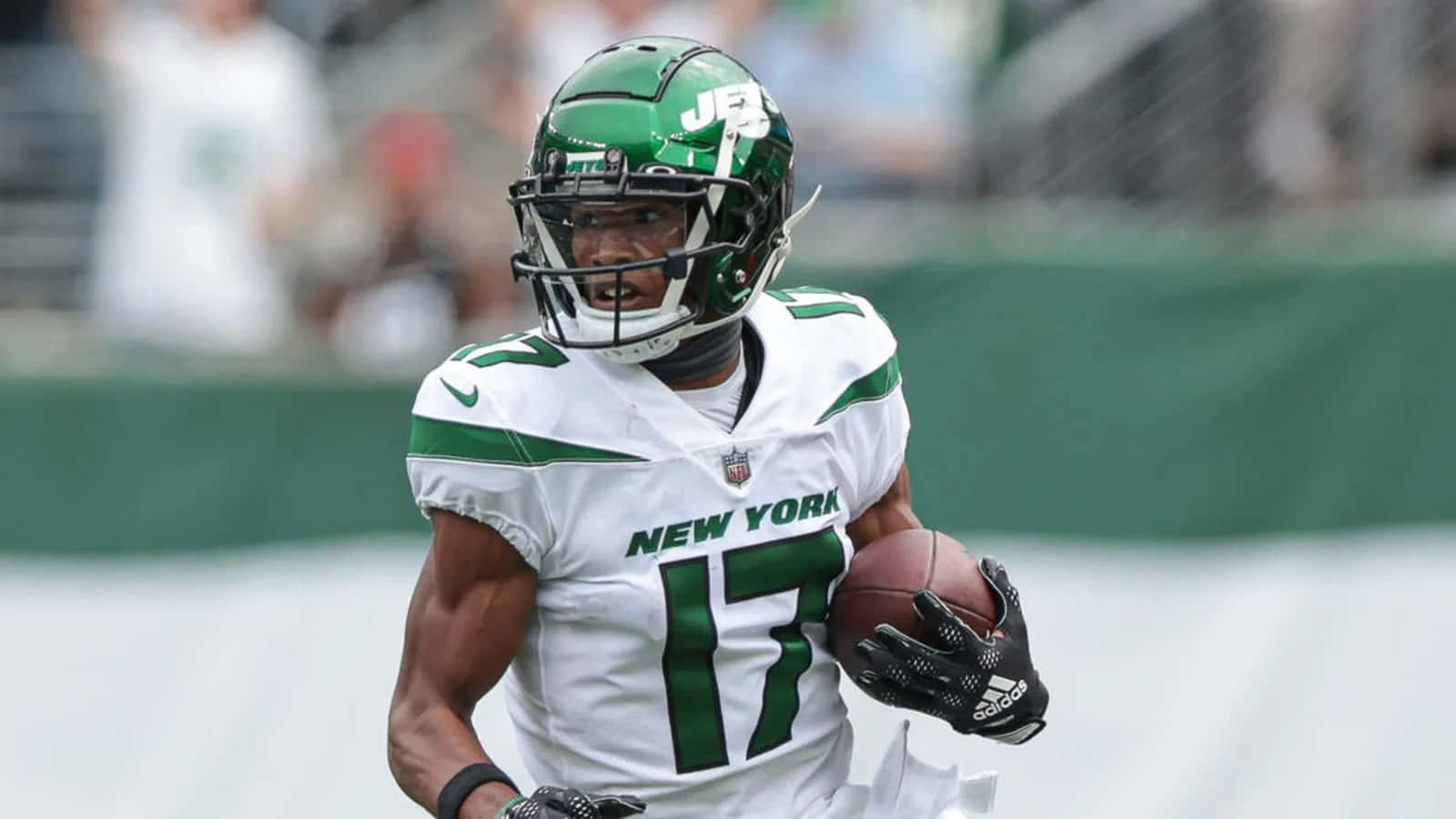 The Cleveland Indians’ recent trade for Luis Severino has reignited discussions about the team’s historical performance and its place in baseball history. Since their founding in 1901, the Indians have been a staple of the American League, with a legacy defined by iconic players like Larry Doyle, Tris Speaker, and the legendary “Big Three” of the 1920s. However, the team’s modern era has seen fluctuations in success, with periods of contention followed by rebuild phases. The 2024 trade is part of a broader effort to reestablish the franchise as a perennial contender, a goal that has eluded them for much of the past decade. Critics argue that the Indians have not fully capitalized on their marketability, while supporters highlight their deep-rooted fan base and rich tradition. The acquisition of Severino is seen as a critical step in this journey, though its long-term impact will depend on how well the team integrates the new talent into its existing roster. This trade also underscores the challenges of maintaining relevance in an increasingly competitive league, where the gap between success and mediocrity is often razor-thin.
The Cleveland Indians’ decision to acquire Luis Severino has sparked debates about the role of veteran leadership in modern baseball. While younger players like Francisco Lindor and Aaron Civale have shown promise, the team has struggled to find a consistent source of experience at the top of the lineup. Severino’s arrival could provide the kind of mentorship and clubhouse presence that has been missing in recent years, helping to bridge the gap between established stars and emerging talent. However, the challenge lies in balancing the need for veteran guidance with the pressure to develop homegrown players. The Indians’ farm system, while not among the best in the league, has produced several key contributors who could play a vital role in the team’s future. The success of this trade will hinge on how well the organization can leverage Severino’s experience to elevate the performance of its younger players. This dynamic is particularly important as the team navigates the complexities of a rebuild, where the right mix of talent and leadership can make all the difference.
The Cleveland Indians’ recent trade for Luis Severino has also raised questions about the team’s ability to maintain a loyal fan base in an era of shifting priorities. With the rise of digital platforms and the increasing popularity of international stars, the Indians must find ways to connect with both longtime supporters and new generations of fans. The team’s rich history and iconic moments, such as the 1948 World Series victory, offer a strong foundation for this effort. However, the challenge lies in translating that legacy into modern-day relevance. The acquisition of Severino is seen as a step toward making the team more competitive, which could, in turn, help attract a broader audience. At the same time, the Indians must address concerns about their financial strategy and how they allocate resources to sustain long-term success. The ability to balance these factors will determine whether the team can solidify its position as a major league powerhouse.
The Cleveland Indians’ future success will depend on their ability to adapt to the evolving landscape of professional baseball. With the rise of analytics and the increasing importance of player development, the team must refine its approach to talent acquisition and strategic planning. The recent trade for Luis Severino represents a significant investment in this direction, but it is only one piece of a larger puzzle. The Indians’ management will need to focus on creating a sustainable model that prioritizes both immediate competitiveness and long-term growth. This includes fostering a culture of innovation while maintaining the core values that have defined the franchise for over a century. The challenge is immense, but the potential rewards are equally substantial. By striking the right balance between tradition and modernization, the Cleveland Indians could position themselves as one of the league’s most formidable teams in the years to come.
The Cleveland Indians’ journey through this pivotal season will be closely watched by fans, analysts, and rival teams alike. The acquisition of Luis Severino has set the stage for a new chapter in the franchise’s history, one that will be defined by the team’s ability to execute its strategic vision. Success will require more than just a strong roster; it will demand a cohesive culture, effective leadership, and a commitment to excellence. As the 2024 season approaches, the Indians must prove that their recent moves are not just about short-term gains but about building a foundation for sustained success. The path ahead is uncertain, but the potential for growth is undeniable. With the right approach, the Cleveland Indians could once again become a force to be reckoned with in the American League.
The Cleveland Indians’ recent trade for Luis Severino has reignited discussions about the team’s historical performance and its place in baseball history. Since their founding in 1901, the Indians have been a staple of the American League, with a legacy defined by iconic players like Larry Doyle, Tris Speaker, and the legendary “Big Three” of the 1920s. However, the team’s modern era has seen fluctuations in success, with periods of contention followed by rebuild phases. The 2024 trade is part of a broader effort to reestablish the franchise as a perennial contender, a goal that has eluded them for much of the past decade. Critics argue that the Indians have not fully capitalized on their marketability, while supporters highlight their deep-rooted fan base and rich tradition. The acquisition of Severino is seen as a critical step in this journey, though its long-term impact will depend on how well the team integrates the new talent into its existing roster. This trade also underscores the challenges of maintaining relevance in an increasingly competitive league, where the gap between success and mediocrity is often razor-thin.
The Cleveland Indians’ decision to acquire Luis Severino has sparked debates about the role of veteran leadership in modern baseball. While younger players like Francisco Lindor and Aaron Civale have shown promise, the team has struggled to find a consistent source of experience at the top of the lineup. Severino’s arrival could provide the kind of mentorship and clubhouse presence that has been missing in recent years, helping to bridge the gap between established stars and emerging talent. However, the challenge lies in balancing the need for veteran guidance with the pressure to develop homegrown players. The Indians’ farm system, while not among the best in the league, has produced several key contributors who could play a vital role in the team’s future. The success of this trade will hinge on how well the organization can leverage Severino’s experience to elevate the performance of its younger players. This dynamic is particularly important as the team navigates the complexities of a rebuild, where the right mix of talent and leadership can make all the difference.
The Cleveland Indians’ recent trade for Luis Severino has also raised questions about the team’s ability to maintain a loyal fan base in an era of shifting priorities. With the rise of digital platforms and the increasing popularity of international stars, the Indians must find ways to connect with both longtime supporters and new generations of fans. The team’s rich history and iconic moments, such as the 1948 World Series victory, offer a strong foundation for this effort. However, the challenge lies in translating that legacy into modern-day relevance. The acquisition of Severino is seen as a step toward making the team more competitive, which could, in turn, help attract a broader audience. At the same time, the Indians must address concerns about their financial strategy and how they allocate resources to sustain long-term success. The ability to balance these factors will determine whether the team can solidify its position as a major league powerhouse.
The Cleveland Indians’ future success will depend on their ability to adapt to the evolving landscape of professional baseball. With the rise of analytics and the increasing importance of player development, the team must refine its approach to talent acquisition and strategic planning. The recent trade for Luis Severino represents a significant investment in this direction, but it is only one piece of a larger puzzle. The Indians’ management will need to focus on creating a sustainable model that prioritizes both immediate competitiveness and long-term growth. This includes fostering a culture of innovation while maintaining the core values that have defined the franchise for over a century. The challenge is immense, but the potential rewards are equally substantial. By striking the right balance between tradition and modernization, the Cleveland Indians could position themselves as one of the league’s most formidable teams in the years to come.
The Cleveland Indians’ journey through this pivotal season will be closely watched by fans, analysts, and rival teams alike. The acquisition of Luis Severino has set the stage for a new chapter in the franchise’s history, one that will be defined by the team’s ability to execute its strategic vision. Success will require more than just a strong roster; it will demand a cohesive culture, effective leadership, and a commitment to excellence. As the 2024 season approaches, the Indians must prove that their recent moves are not just about short-term gains but about building a foundation for sustained success. The path ahead is uncertain, but the potential for growth is undeniable. With the right approach, the Cleveland Indians could once again become a force to be reckoned with in the American League.
The Cleveland Indians’ recent trade for Luis Severino has reignited discussions about the team’s historical performance and its place in baseball history. Since their founding in 1901, the Indians have been a staple of the American League, with a legacy defined by iconic players like Larry Doyle, Tris Speaker, and the legendary “Big Three” of the 1920s. However, the team’s modern era has seen fluctuations in success, with periods of contention followed by rebuild phases. The 2024 trade is part of a broader effort to reestablish the franchise as a perennial contender, a goal that has eluded them for much of the past decade. Critics argue that the Indians have not fully capitalized on their marketability, while supporters highlight their deep-rooted fan base and rich tradition. The acquisition of Severino is seen as a critical step in this journey, though its long-term impact will depend on how well the team integrates the new talent into its existing roster. This trade also underscores the challenges of maintaining relevance in an increasingly competitive league, where the gap between success and mediocrity is often razor-thin.
The Cleveland Indians’ decision to acquire Luis Severino has sparked debates about the role of veteran leadership in modern baseball. While younger players like Francisco Lindor and Aaron Civale have shown promise, the team has struggled to find a consistent source of experience at the top of the lineup. Severino’s arrival could provide the kind of mentorship and clubhouse presence that has been missing in recent years, helping to bridge the gap between established stars and emerging talent. However, the challenge lies in balancing the need for veteran guidance with the pressure to develop homegrown players. The Indians’ farm system, while not among the best in the league, has produced several key contributors who could play a vital role in the team’s future. The success of this trade will hinge on how well the organization can leverage Severino’s experience to elevate the performance of its younger players. This dynamic is particularly important as the team navigates the complexities of a rebuild, where the right mix of talent and leadership can make all the difference.
The Cleveland Indians’ recent trade for Luis Severino has also raised questions about the team’s ability to maintain a loyal fan base in an era of shifting priorities. With the rise of digital platforms and the increasing popularity of international stars, the Indians must find ways to connect with both longtime supporters and new generations of fans. The team’s rich history and iconic moments, such as the 1948 World Series victory, offer a strong foundation for this effort. However, the challenge lies in translating that legacy into modern-day relevance. The acquisition of Severino is seen as a step toward making the team more competitive, which could, in turn, help attract a broader audience. At the same time, the Indians must address concerns about their financial strategy and how they allocate resources to sustain long-term success. The ability to balance these factors will determine whether the team can solidify its position as a major league powerhouse.
The Cleveland Indians’ future success will depend on their ability to adapt to the evolving landscape of professional baseball. With the rise of analytics and the increasing importance of player development, the team must refine its approach to talent acquisition and strategic planning. The recent trade for Luis Severino represents a significant investment in this direction, but it is only one piece of a larger puzzle. The Indians’ management will need to focus on creating a sustainable model that prioritizes both immediate competitiveness and long-term growth. This includes fostering a culture of innovation while maintaining the core values that have defined the franchise for over a century. The challenge is immense, but the potential rewards are equally substantial. By striking the right balance between tradition and modernization, the Cleveland Indians could position themselves as one of the league’s most formidable teams in the years to come.
The Cleveland Indians’ journey through this pivotal season will be closely watched by fans, analysts, and rival teams alike. The acquisition of Luis Severino has set the stage for a new chapter in the franchise’s history, one that will be defined by the team’s ability to execute its strategic vision. Success will require more than just a strong roster; it will demand a cohesive culture, effective leadership, and a commitment to excellence. As the 2024 season approaches, the Indians must prove that their recent moves are not just about short-term gains but about building a foundation for sustained success. The path ahead is uncertain, but the potential for growth is undeniable. With the right approach, the Cleveland Indians could once again become a force to be reckoned with in the American League.